Lake McMurtry Fishing Report
Lake McMurtry strives to provide lake users with excellent fishing experiences. With boat ramps and fishing docks on each side of the lake, bank fisherman can easily catch crappie and catfish. If you desire to get out on the water and chase down some large-mouth bass, sand-bass, or saugeye check out our lake fish attractor map below!
Share your photo's with us by sending them to [email protected]!
Fishing Tips, Rigs, & Habitat
|
Click on the links to learn more about each species:
|
OUTDOOR OKLAHOMA VIDEOS:
|
Lake & State Fishing Rules & Reg's
Fishing:
Daily Limits:
*Oklahoma State Fishing Regulations
Boating:
- 2 pole limit per person.
- Fishing by, net, seine, gun trap, trot line, jug line, limb line, yo-yo’s, and seine nets are prohibited.
- Cast nets are permitted for shad only, if you catch a sport fish you must release it.
Daily Limits:
- Large mouth Bass Limit – 5 daily. Length must be 14 inches.
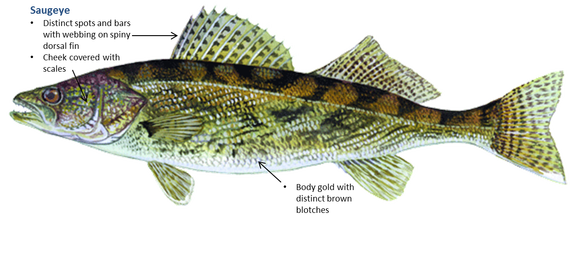
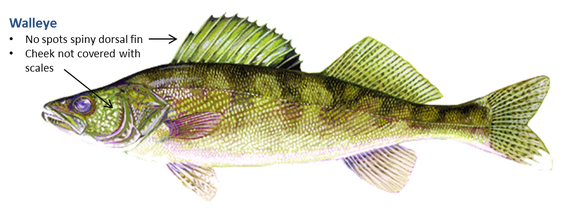
- Walleye/Saugeye Limit – 5 daily. Length must be 14 inches.
*Oklahoma State Fishing Regulations
Boating:
- Watercraft must be properly registered by the state of Oklahoma before entering the lake. ( out of state boats are permitted for 30 days, after which must be registered in Oklahoma )
- Designated boat ramps are for “launching” only.
- Maximum speed is 25 mph. No wake at boat docks and ramps.
- Water skiing, jet skis, sea doo’s, and any other related water sports are prohibited.
Lake McMurtry Fish Species
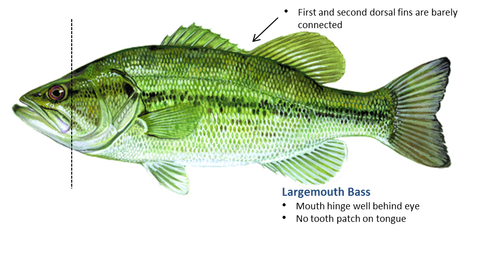
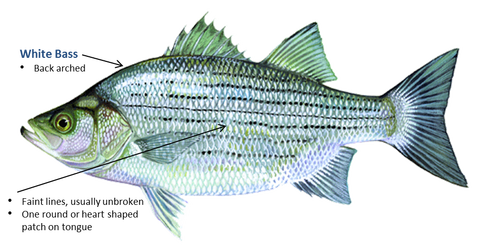
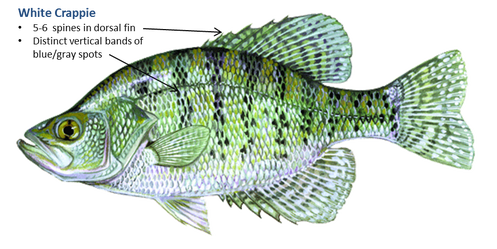
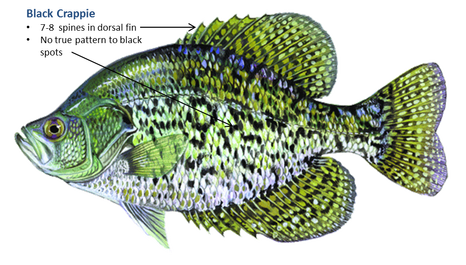
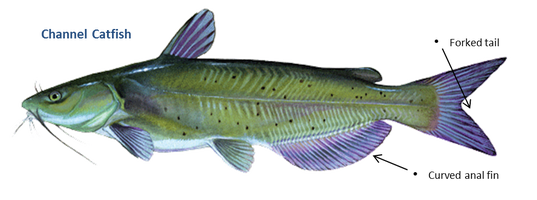
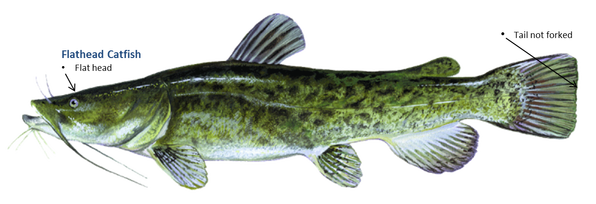
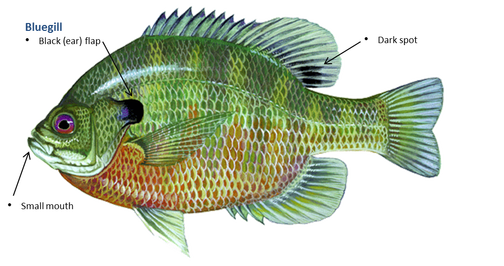
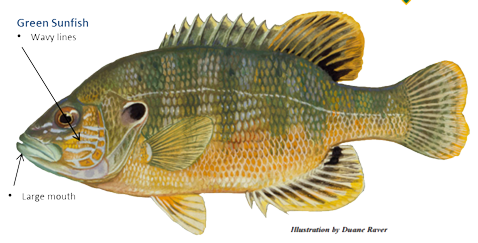
HOW TO RELEASE A FISH
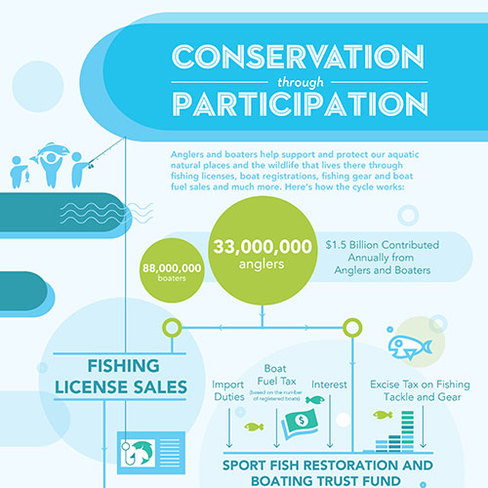
You might be asking yourself, "How do fish survive catch and release after being handled?" Whether or not they do largely depends on if the angler understands how to handle fish and how to release fish in a conservation-friendly manner.
Below are the steps you can take when handling a fish to help promote fishing conservation.
You might be asking yourself, "How do fish survive catch and release after being handled?" Whether or not they do largely depends on if the angler understands how to handle fish and how to release fish in a conservation-friendly manner.
Below are the steps you can take when handling a fish to help promote fishing conservation.
- Use wet hands when handling a fish or a knotless rubberized landing nets and rubberized gloves. This helps maintain the slime coat on the fish, which protects it from infection and aids in swimming. Anglers that know how to practice proper catch and release never use a towel of any kind when handling fish since a towel can remove this slime coat.
- Hold the fish horizontally whenever possible since this is the way fish naturally swim through the water. Do not drop the fish onto hard surfaces!
- Keep your fingers away from the gills and eyes of the fish.
- If needed, use a release tool (dehookers, recompression tools) to minimize handling.
- Time is of the essence! Release fish as soon as possible and do not keep them out of the water longer than necessary. Always release your fish head first into the water. When you release a fish head first into the water, it forces water through the mouth and over the gills, which helps to resuscitate the fish. Revive exhausted fish by placing the fish in the water, facing the current if possible, with one hand underneath the belly and the other hand holding the bottom lip or tail.
- Know the current fishing regulations that apply to the state where you are fishing and learn how to accurately measure fish in order to abide by the regulations. By following fishing regulations you are building and conserving our state fish populations for future generations of anglers.
Aquatic Nuisnace Species of Lake McMurtry
|
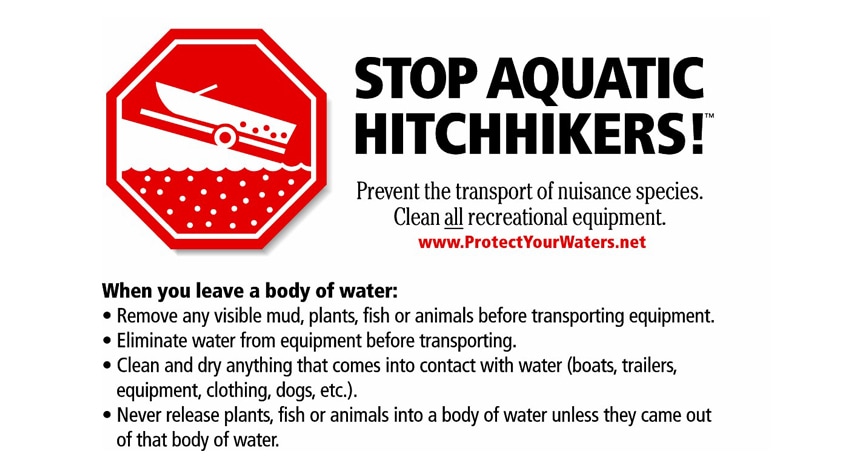
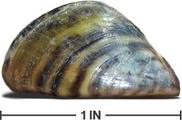
Zebra mussels (Dreissena polymorpha) are small, thumbnail size mussels with a zebra-like pattern of stripes native to the Caspian Sea region of Asia. They are believed to have been transported to the Great Lakes via ballast water from a transoceanic vessel. Known to greatly impact the environment, they have been found in the state prompting concern by state and federal officials. *Click here to learn more
|